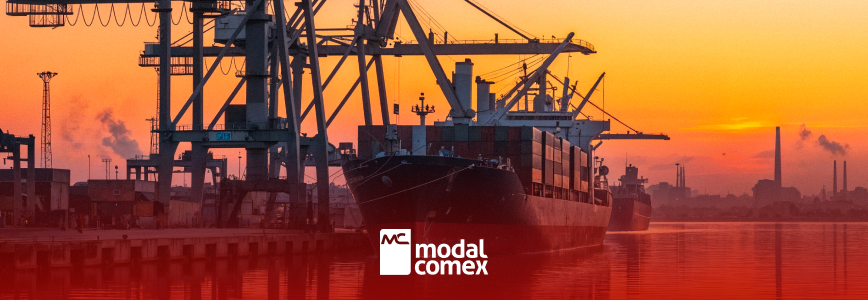
Tensions in the Middle East have reignited a recurring concern for global markets: the security of strategic energy routes. In recent days, the closure of the Strait of Hormuz, the main maritime corridor for transporting oil produced in the Gulf region, has triggered a strong reaction in international markets and brought renewed attention to the geopolitical risks facing global trade.
Located between Iran and the Arabian Peninsula, the strait connects the Persian Gulf to the Gulf of Oman and the Indian Ocean. Despite its relatively narrow width, it is one of the most critical points in the global energy logistics network. It is estimated that around 20% of all oil consumed worldwide passes through this route every day, making it a true strategic bottleneck for global energy supply.
Following military attacks involving the United States, Israel, and Iran, the crisis intensified. These attacks triggered a series of retaliations and threats to navigation in the region. In response, Iranian authorities indicated that vessels should not cross the strait, which in practice led to the halt of a large portion of maritime traffic in the area. Naval tracking data shows that the flow of ships in the region dropped sharply, while oil tankers remained anchored outside the strait waiting for safe conditions to continue their journey.
The impact on energy markets was immediate. With the risk of supply disruption, oil prices reacted quickly, recording significant increases in the first days of the crisis. Several major exporters in the region, such as Saudi Arabia, Kuwait, Iraq, and the United Arab Emirates, depend directly on this passage to send their production to international markets, which could ultimately lead to a supply shock.
In addition to the impact on commodity prices, the situation is also putting pressure on the entire global logistics chain. With growing insecurity in the region, maritime insurers have increased risk premiums for vessels transiting through the Gulf, while some shipping companies have temporarily suspended operations in the area or begun evaluating alternative routes. This scenario is likely to increase transportation costs and logistical transit times, affecting not only the energy sector but also multiple segments of international trade.
In a context of strong dependence on maritime routes for the flow of commodities, any disruption in logistical chokepoints can generate cascading effects, ranging from volatility in energy prices to impacts on freight rates, insurance costs, and supply chain planning.
Although it is still too early to determine how long the crisis may last, the episode reinforces the importance of constant monitoring of the international landscape by companies and foreign trade operators. In an increasingly interconnected world, regional events can quickly become determining factors for costs, risks, and strategies in global trade.
In this context, having the support of foreign trade specialists makes a significant difference when it comes to tracking international developments and adapting operations with agility. At Modal Comex, we are prepared to assist our clients with risk analysis, logistics planning, and strategic decision making, ensuring greater security and efficiency in operations even in times of global instability.